


 English
 русский
 Español
 中文简体
中文简体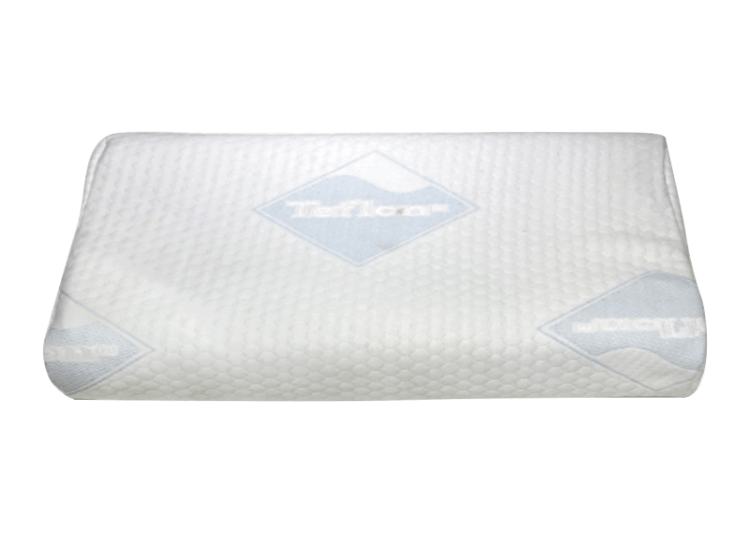
Product Consultation
Your email address will not be published. Required fields are marked *
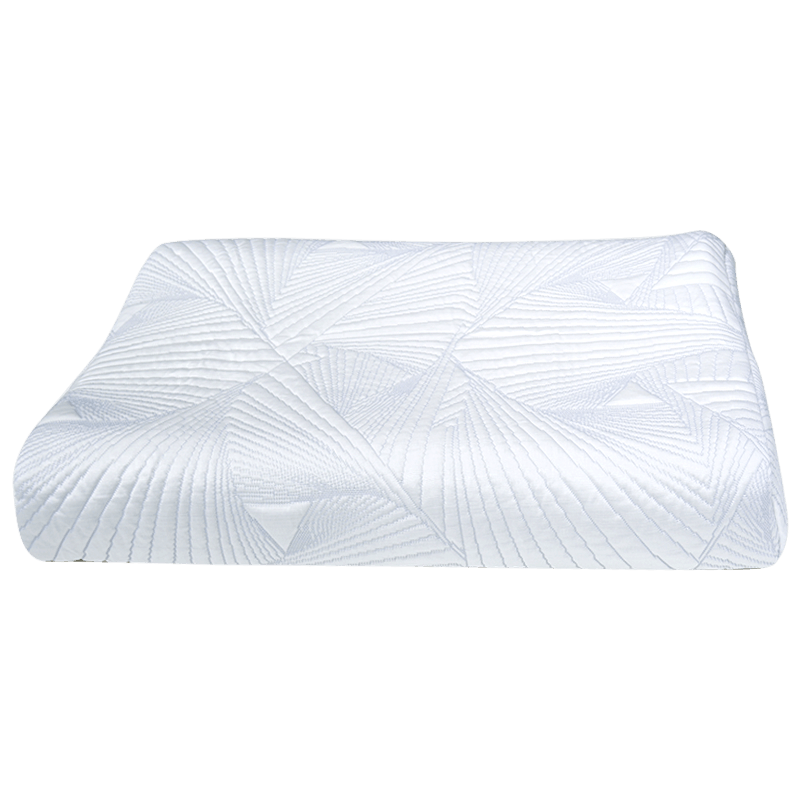
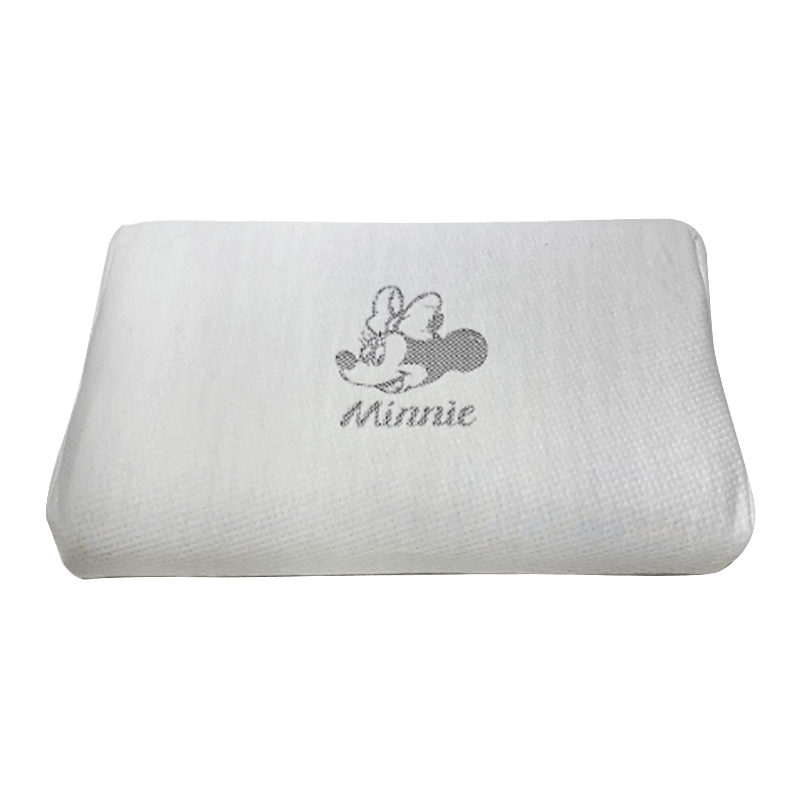
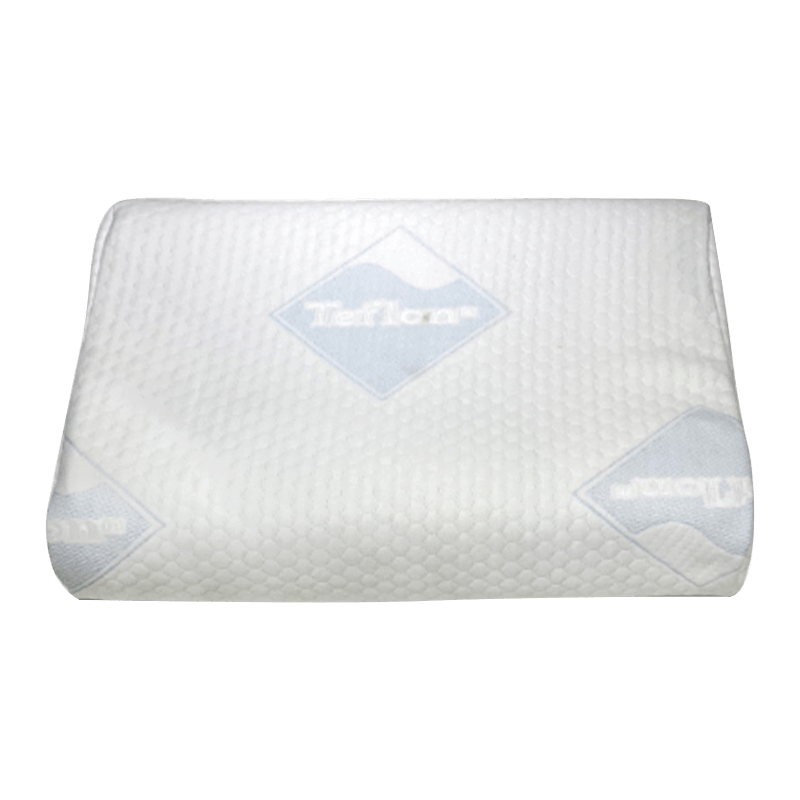
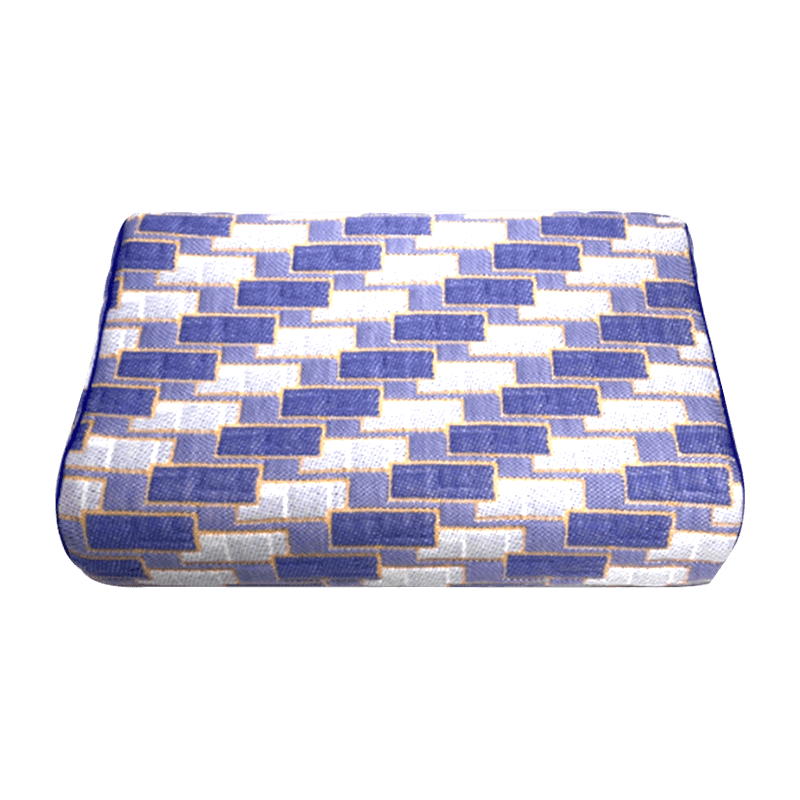
The pillow cover has become a standard household item for protecting pillows from dirt, sweat, and allergens. Unlike bare pillows that absorb oils and moisture directly, a pillow cover adds a removable layer that can be washed regularly. Homeowners have purchased pillow cover sets to coordinate with bedroom color schemes and seasonal decorating themes. The ease of changing a pillow cover explains its popularity for refreshing guest rooms and master bedrooms. Manufacturers continue to produce pillow cover products in various sizes, materials, and closure styles.
Size options for a pillow cover must match standard pillow dimensions. A standard pillow cover measures 20 by 26 inches for typical bed pillows. A queen pillow cover fits pillows sized 20 by 30 inches commonly found on queen bedding sets. A king pillow cover accommodates pillows measuring 20 by 36 inches for larger beds. A euro pillow cover comes in square sizes of 24 or 26 inches for decorative shams. The correct pillow cover size ensures a snug fit without excess fabric bunching under the sleeper's head.
Material selection for a pillow cover affects comfort, breathability, and care requirements. A cotton pillow cover offers softness and breathability for year-round comfort. A linen pillow cover provides natural temperature regulation for hot sleepers. A polyester pillow cover resists wrinkling and dries quickly after washing. A bamboo-derived pillow cover offers moisture-wicking properties for humid climates. The material choice for a pillow cover should match the sleeper's temperature preferences and allergy sensitivities.
Closure types for a pillow cover include envelope, zipper, and button designs. An envelope closure on a pillow cover overlaps fabric panels at the back, hiding the opening without hardware. A zippered pillow cover provides secure enclosure and a smooth surface for sleeping. A button closure on a pillow cover adds decorative detail but may create pressure points. A hidden snap closure on a pillow cover keeps the pillow insert contained without visible fasteners. The closure type of a pillow cover affects ease of removal for washing.
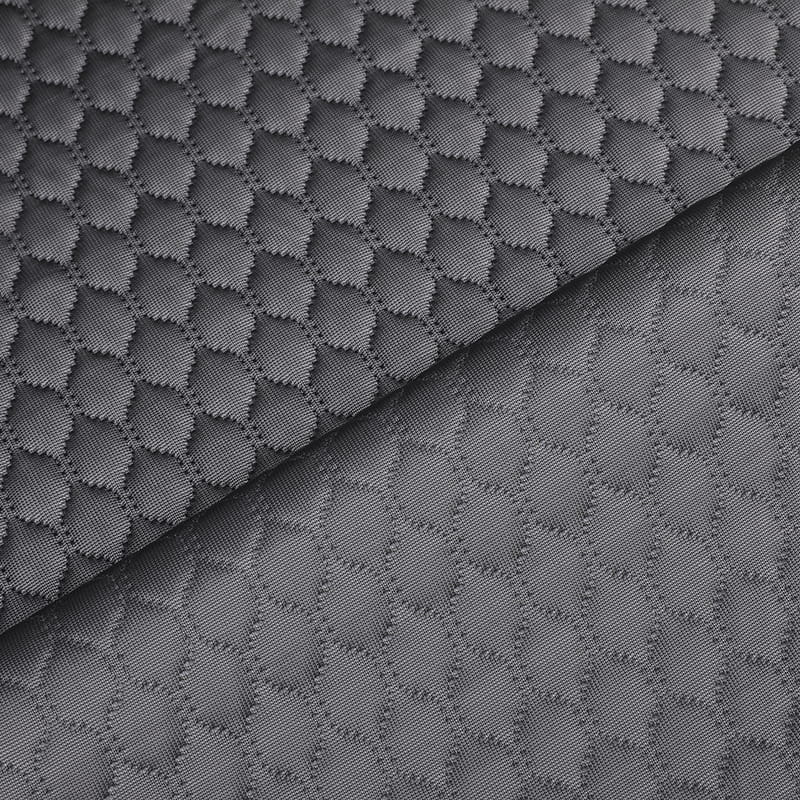
Weave and finish of a pillow cover influence texture and durability. A percale weave pillow cover offers a crisp, cool feel favored by hot sleepers. A sateen weave pillow cover provides a smoother, silkier surface with subtle sheen. A jersey knit pillow cover stretches for a soft, t-shirt-like feel. A jacquard pillow cover features woven patterns that do not wash away over time. The thread count of a pillow cover indicates fabric density but does not guarantee quality alone.
Protective features of a pillow cover extend pillow life and improve hygiene. A pillow cover with allergen barrier blocks dust mites from reaching the pillow core. A waterproof pillow cover protects against spills, sweat, and accidents for children's beds. A stain-resistant treatment on a pillow cover allows easier cleaning of pillowcases. The protective layer of a pillow cover should still allow airflow to prevent moisture buildup. A pillow cover used under a pillowcase adds an extra protection layer for expensive pillows.
The pillow cover will likely remain a basic bedding accessory. For homeowners seeking protection and style for their pillows, the pillow cover offers a practical solution.
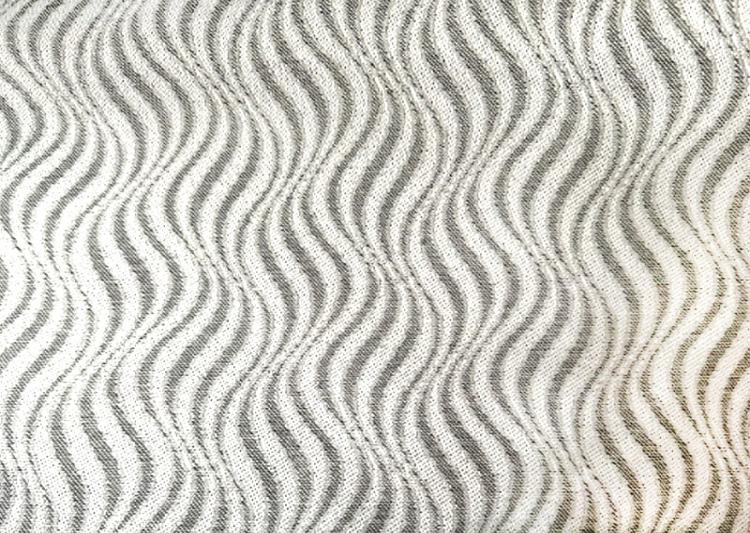
Woven Jacquard Mattress Fabric Combines Pattern and Durability
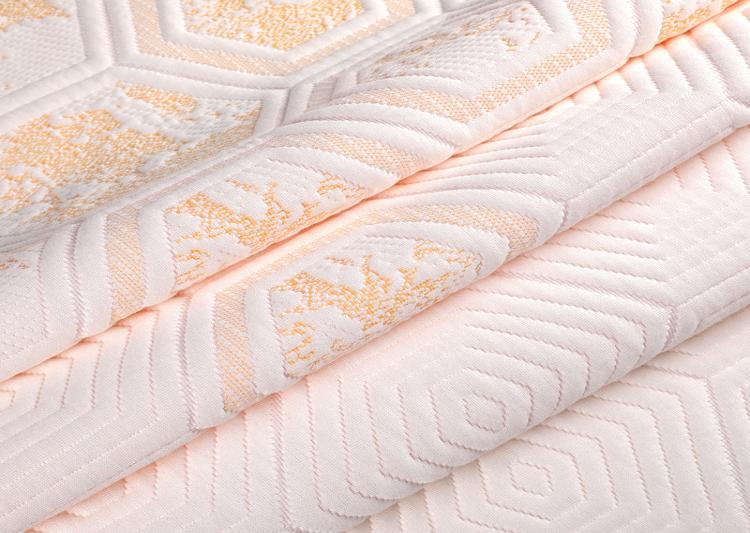
Stretch Knitted Mattress Fabric Conforms to Contoured Designs
Your email address will not be published. Required fields are marked *
Add: Area A, Youbu Industrial Park, No. 2 Jujiang Avenue, Youbu Town, Lanxi City, Jinhua City, Zhejiang Province
Tel: +86-0579-88660111
Phone: +86-13033604159
WhatsApp: +86-18858109944
Email: sj@sjtextile.com
You can contact to me using this form.
Copyright © 2026 Lanxi Shuangjin Technology Textile Co., Ltd. All Rights Reserved.
