


 English
 русский
 Español
 中文简体
中文简体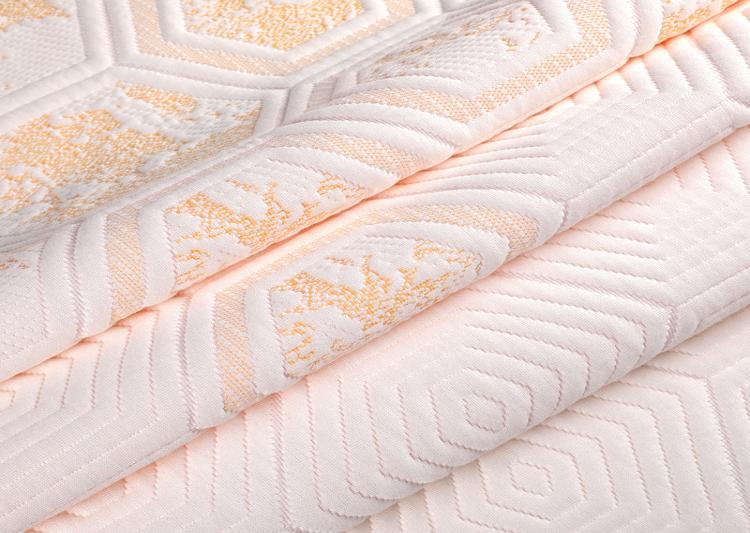
Product Consultation
Your email address will not be published. Required fields are marked *
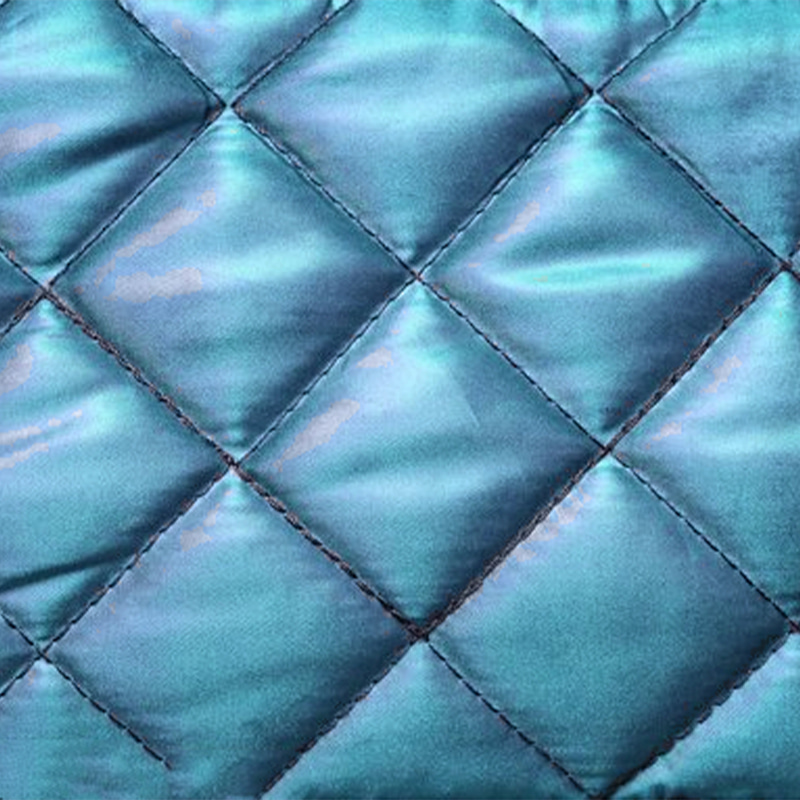
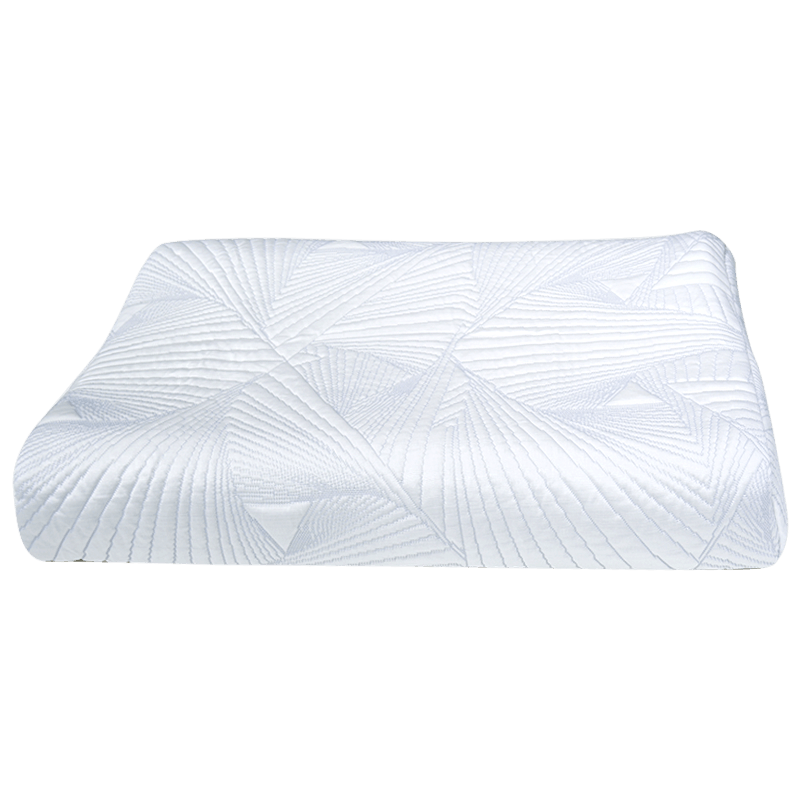
Mattress fabric plays a larger role in sleep quality than may people realize, as recent industry reports indicate that the outer layer of a mattress significantly affects comfort, temperature regulation, and durability. While many shoppers focus on mattress cores made of springs or foam, the fabric that covers those materials determines how the bed feels to the touch and how well it withstands years of use.
The primary job of a mattress fabric is to protect the inner materials from dirt, moisture, and wear. A mattress without a durable cover would quickly absorb sweat, skin oils, and dust, pilot to odors and material breakdown. The fabric also creates the surface that a sleeper feels when lying down. A rough or scratchy mattress fabric can make even a high-quality mattress feel uncomfortable, while a smooth, soft fabric can make a basic mattress feel more inviting.
Different types of mattress fabric serve different needs. Cotton remains a popular choice because it breathes well and feels soft against the skin. However, cotton alone may not be strong enough for long-term use. Many manufacturers blend cotton with polyester to combine softness with durability. Polyester fabrics resist stretching and shrinking better than cotton and dry more quickly. Some mattress fabrics include wool, which helps regulate temperature by wicking moisture away from the body.
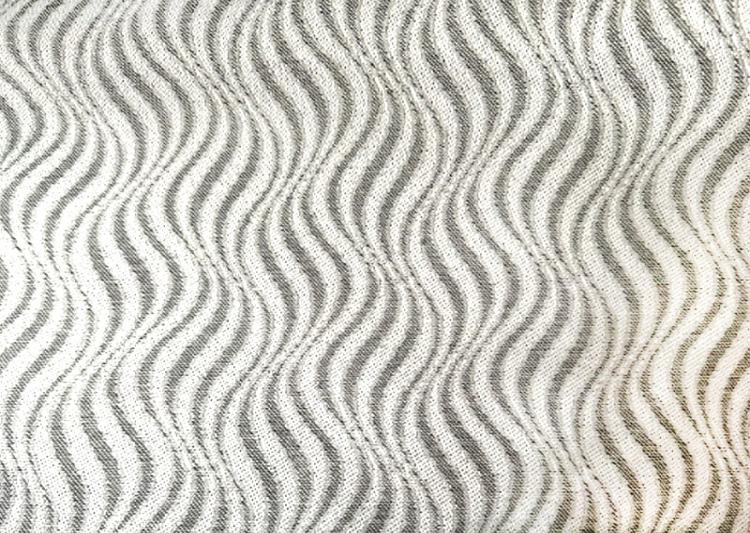
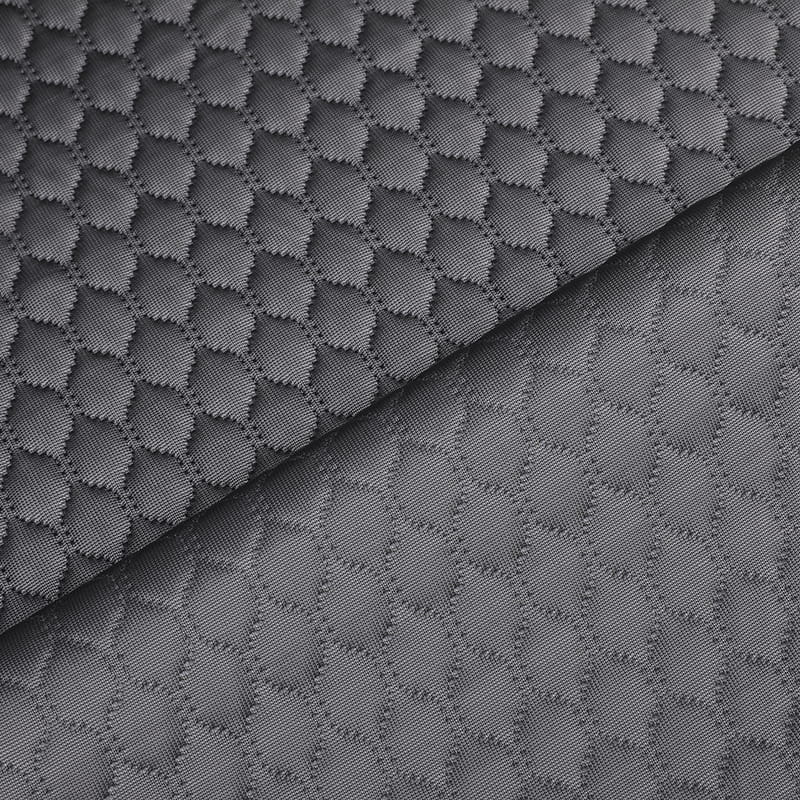
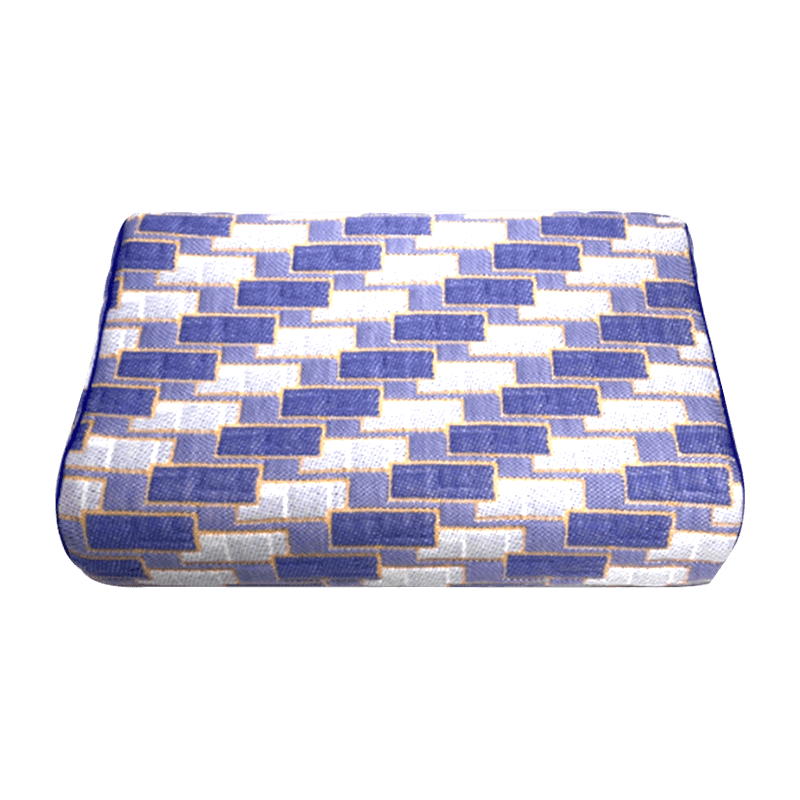
Knitted mattress fabrics have become more common in recent years. Unlike woven fabrics, which have a structured grid of threads, knitted fabrics are made from interlocking loops. This construction gives the fabric stretch, allowing it to conform to the shape of the mattress and the sleeper's body. Knitted mattress fabric can also be produced with different textures, from smooth and cool to soft and warm, depending on the fiber type and knitting pattern.
Fire safety requirements have influenced mattress fabric design. In many regions, mattresses must meet flammability standards that limit how quickly a fire can spread. Some mattress fabrics are treated with fire-resistant chemicals, while others use inherently flame-resistant fibers. Knitted fiberglass sleeves or barrier fabrics are sometimes placed between the mattress fabric and the inner foam. These safety features add cost and can affect breathability, so manufacturers balance protection with comfort.
Temperature regulation has become a selling point for premium mattress fabric. Some fabrics incorporate phase change materials, which absorb, store, and release heat to keep the sleeping surface at a stable temperature. Others use specially treated fibers that wick moisture more effectively than standard materials. While these features can improve comfort for people who sleep warm, they also increase the price of the finished mattress.
Durability testing for mattress fabric involves repeated compression and abrasion. A mattress fabric that wears thin after a few years will expose the inner foam to damage and may develop permanent body impressions. Higher quality mattress fabrics undergo more cycles of testing before being approved for production. The Martindale test, which rubs a piece of fabric against abrasive material in a figure-eight pattern, is one common method for predicting how long a mattress fabric will last.
As consumers become more informed about what goes into their beds, attention has turned to the materials that touch the skin every night. A comfortable mattress starts with a good support core, but the mattress fabric is what makes that support feel pleasant rather than harsh. It is the important thing a sleeper touches and the last thing they feel when waking up.
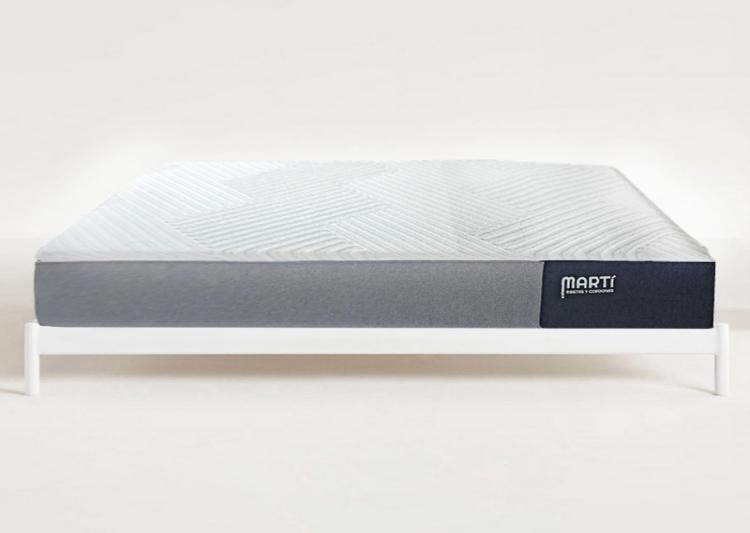
Mattress Protector Preserves Sleep Surface Quality
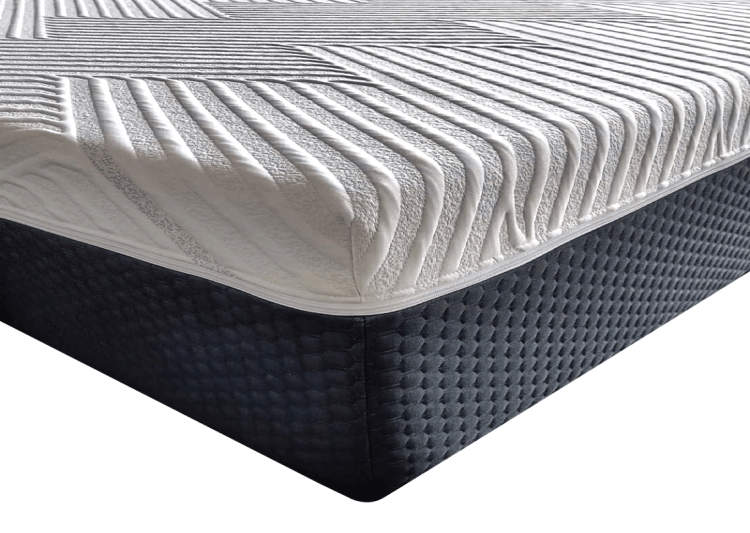
Mattress Cover Protects Against Spills and Allergens
Your email address will not be published. Required fields are marked *
Add: Area A, Youbu Industrial Park, No. 2 Jujiang Avenue, Youbu Town, Lanxi City, Jinhua City, Zhejiang Province
Tel: +86-0579-88660111
Phone: +86-13033604159
WhatsApp: +86-18858109944
Email: sj@sjtextile.com
You can contact to me using this form.
Copyright © 2026 Lanxi Shuangjin Technology Textile Co., Ltd. All Rights Reserved.
