


 English
 русский
 Español
 中文简体
中文简体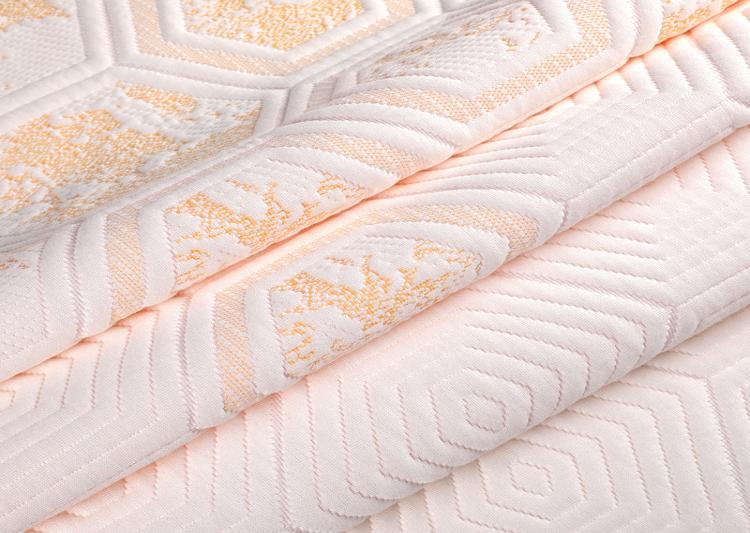
Product Consultation
Your email address will not be published. Required fields are marked *
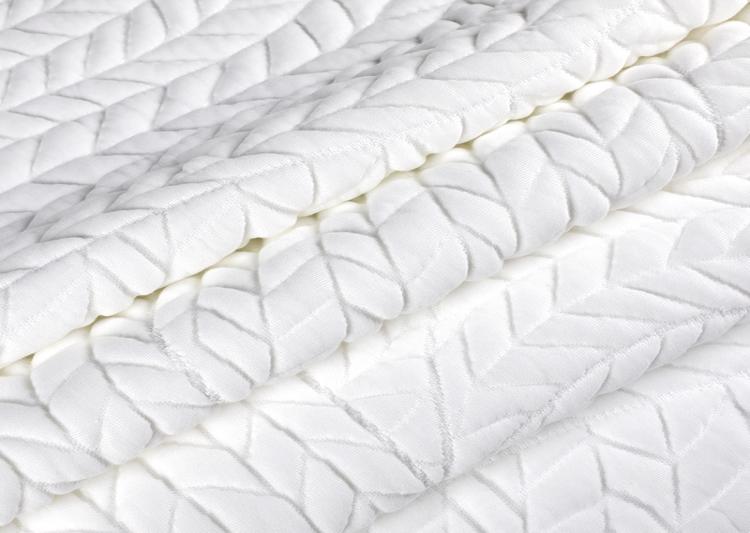
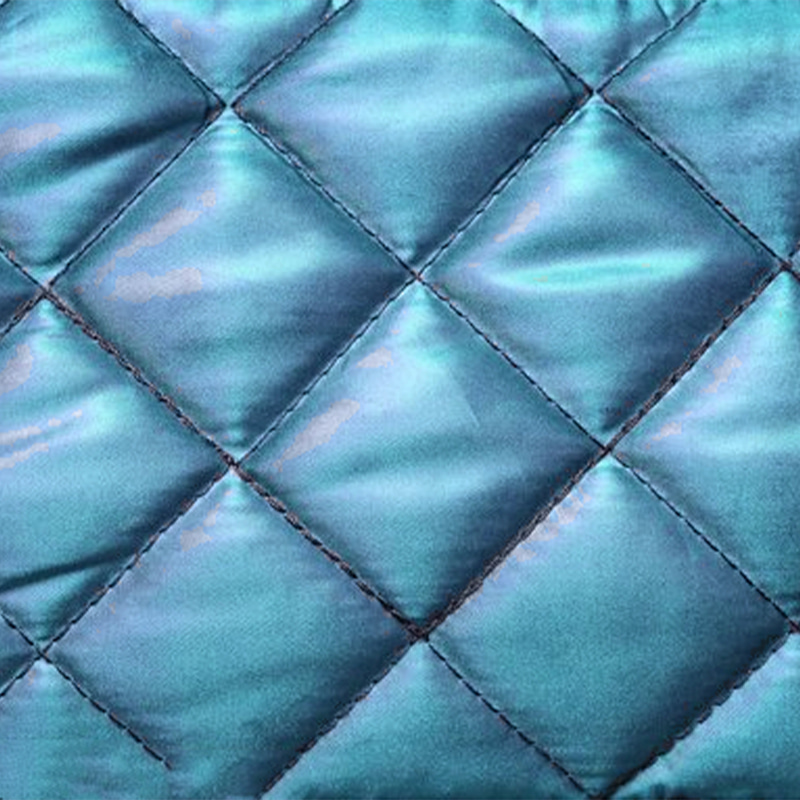
The knitted mattress fabric has become a widely used material in the bedding industry for covering mattress cores and comfort layers. Unlike woven fabrics, which have a structured grid of threads, a knitted mattress fabric is created by interlocking loops of yarn in a continuous series of stitches. This construction method gives the knitted mattress fabric a natural stretch in multiple directions, allowing it to conform to the contours of the mattress underneath. The flexibility of a knitted mattress fabric makes it suitable for use on mattresses with different thicknesses and shapes, including those with pillow tops or curved edges.
The production process of a knitted mattress fabric involves circular knitting machines or flatbed knitting machines. These machines feed yarn through a series of needles that form loops, creating a continuous tube or flat sheet of knitted mattress fabric. The yarns used in a knitted mattress fabric are typically polyester, cotton, or a blend of both materials. Polyester fibers in a knitted mattress fabric provide durability and resistance to wrinkling, while cotton adds softness and moisture absorption. Some versions of a knitted mattress fabric include spandex or elastane fibers, which increase the stretch and recovery properties of the material. The weight of a knitted mattress fabric is usually measured in grams per square meter, with typical values ranging from 150 to 350 grams per square meter for mattress applications.
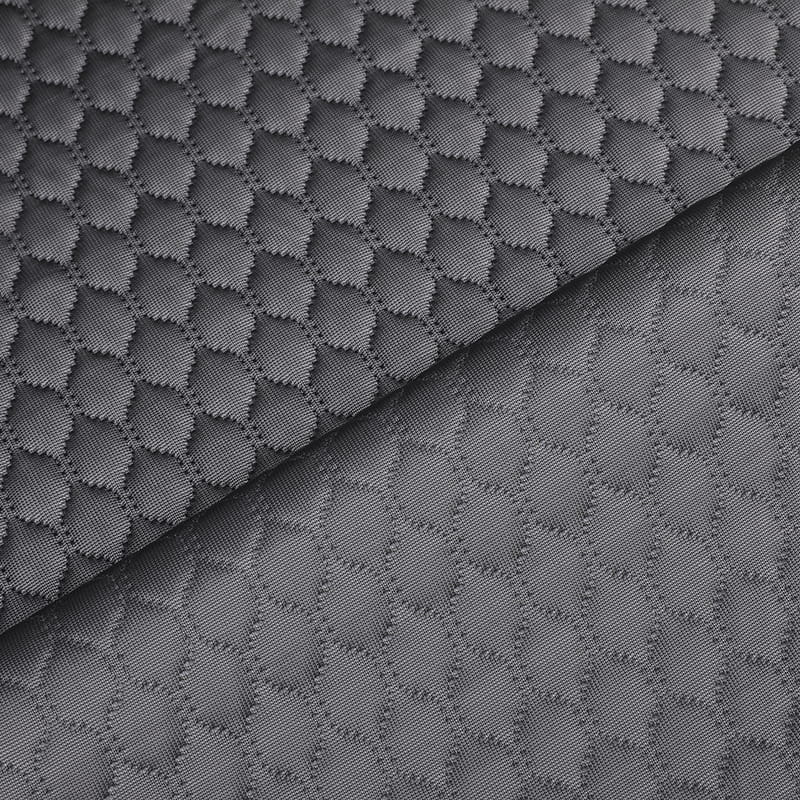
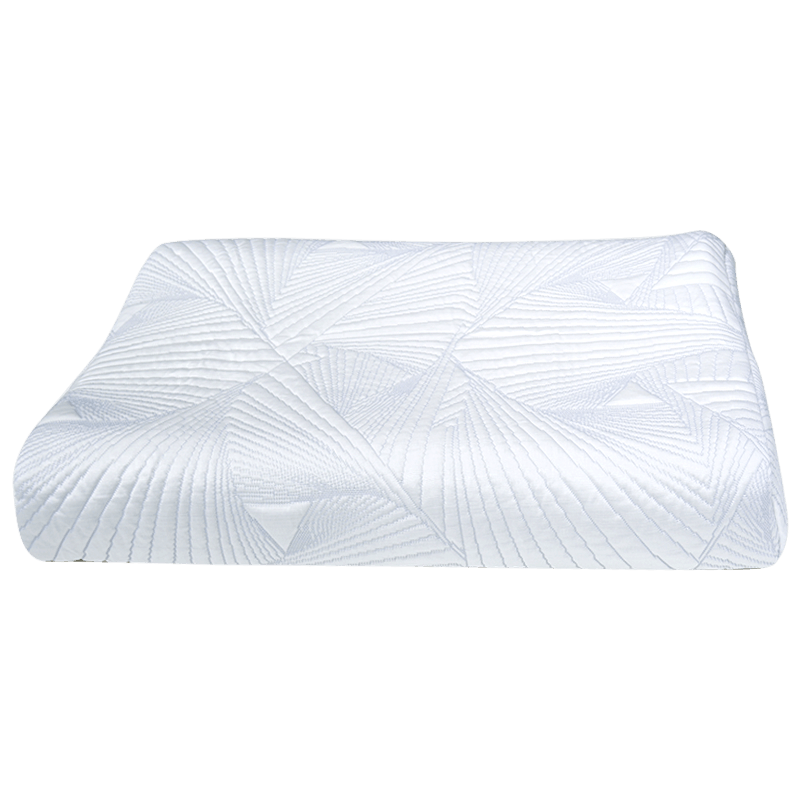
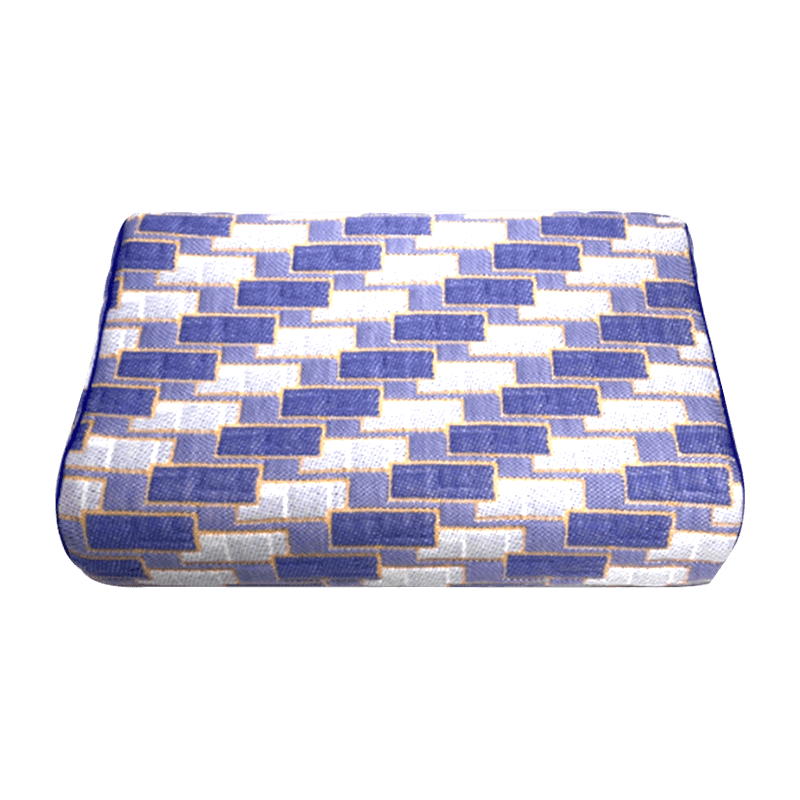
The surface texture of a knitted mattress fabric can vary according to the stitch pattern and finishing treatments. A plain jersey knit produces a smooth surface on one side and a slightly textured reverse side. A knitted mattress fabric with a jacquard pattern incorporates colored yarns or raised designs that are visible on the fabric surface. This type of knitted mattress fabric is often used on higher-end mattresses where visual appearance matters to the customer. The finishing process for a knitted mattress fabric may include brushing, which raises the fibers to create a soft, flannel-like feel. Anti-slip treatments can be applied to the back side of a knitted mattress fabric to reduce movement between the fabric and the foam or padding layers underneath.
Breathability is a notable characteristic of a knitted mattress fabric. The looped structure creates small gaps between the yarns, allowing air to pass through the fabric more easily than many woven materials. A mattress covered with a knitted mattress fabric tends to allow heat and moisture from the sleeper's body to move away from the sleeping surface. This air circulation can contribute to a more comfortable sleep environment compared to less breathable cover materials. Some knitted mattress fabric products are treated with moisture-wicking finishes that draw sweat away from the skin and spread it across the fabric surface for faster evaporation.
Care and maintenance of a knitted mattress fabric usually involve the use of a removable outer cover or a mattress protector. The knitted mattress fabric itself is not typically removable for washing, as it is sewn directly to the mattress. Spot cleaning with a mild detergent and water is recommended for small stains on a knitted mattress fabric. For larger cleaning needs, professional mattress cleaning services may be required. The knitted mattress fabric continues to be a common choice for mattress producers who need a cover material that combines stretch, breathability, and surface comfort. Its looped construction provides a balance of flexibility and durability that meets the requirements of many mattress designs.
Knitted Jacquard Mattress Fabric Adds Pattern and Comfort
Damask Mattress Fabric Stays Strong in Bedding Market
Your email address will not be published. Required fields are marked *
Add: Area A, Youbu Industrial Park, No. 2 Jujiang Avenue, Youbu Town, Lanxi City, Jinhua City, Zhejiang Province
Tel: +86-0579-88660111
Phone: +86-13033604159
WhatsApp: +86-18858109944
Email: sj@sjtextile.com
You can contact to me using this form.
Copyright © 2026 Lanxi Shuangjin Technology Textile Co., Ltd. All Rights Reserved.
